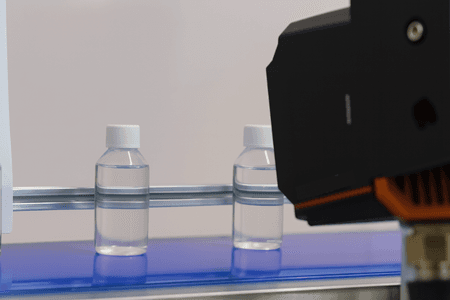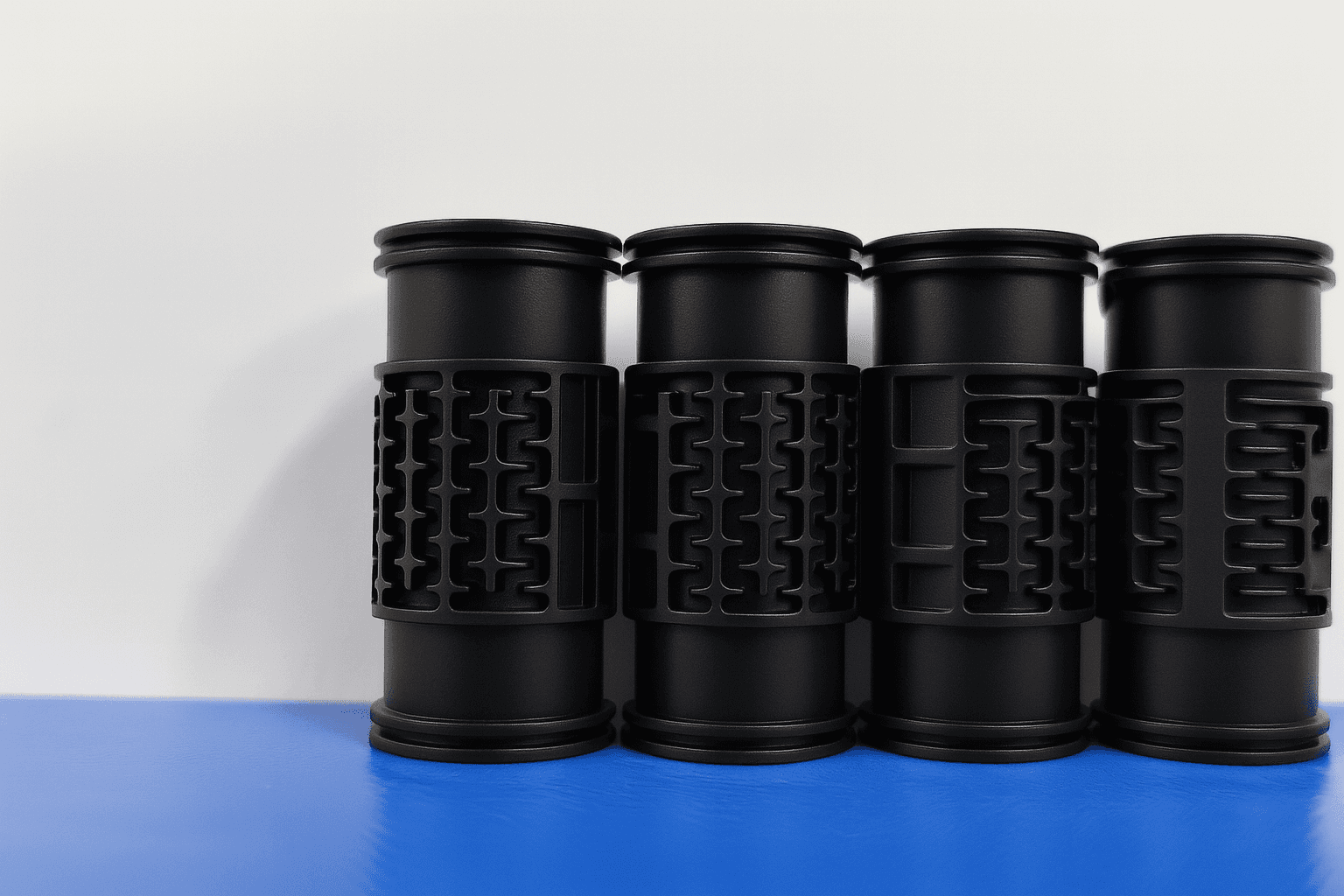
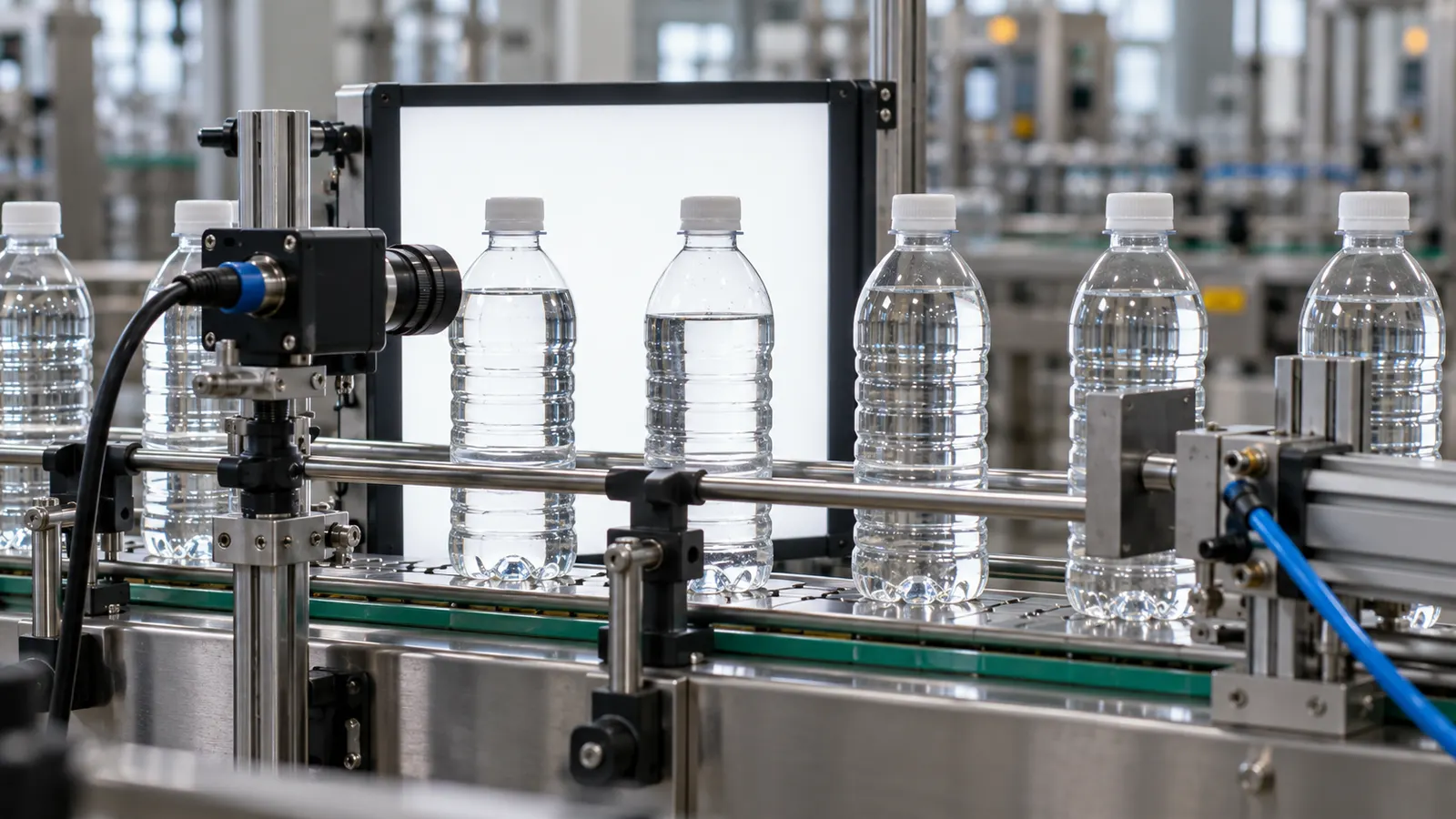
Fill level inspection confirms that every container is filled to the right height before it is capped, labelled or packed. We do it with a camera and a light at the conveyor rather than a sensor on the filler, so the same station can also check that the cap is present and seated. The method depends on the container: clear, amber and translucent bottles can be inspected through the wall, while a camera cannot see the liquid in an opaque one, and we tell you that at feasibility rather than quote a system that cannot work.
Capabilities
How we deliver it
Feasibility on your bottles
Send good, under-filled and over-filled samples. We image them under the lighting we intend to use and show you the separation before quoting.
Lighting chosen for the container
Backlighting through the bottle suits clear and translucent containers. Foam, the meniscus, bottle colour and label position all move where the fill line appears, so they are settled on your samples, not assumed.
Trigger and reject timing
Each container triggers the camera, and the reject is timed to the conveyor so the bottle that failed is the one that leaves the line.
Records for QA
Results and images of rejected containers are kept, so quality staff can see why a bottle was rejected and whether the filler is drifting.
See it running
When this is the right fit
Fill Level Inspection Systems: common questions
Which liquids can a fill level inspection system check?
Our demonstration line ran water. The method is not specific to water: any liquid whose level a camera can see through the container can be inspected the same way, whether it is clear, coloured, oily or thick. We confirm yours on your own filled samples before quoting.
Can you inspect opaque bottles?
Not with a camera looking through the wall, because the liquid cannot be seen. We tell you that at the feasibility stage instead of quoting a system that cannot work, and suggest what can be checked instead, such as cap presence and seating.
What about foam or a curved meniscus?
Both move where the fill line appears. The lighting and the measurement are set up on your samples, with your liquid and your bottle, so foam and the meniscus are accounted for rather than assumed.
Do we have to change our filling machine?
No. The camera, light and reject sit on the conveyor after the filler, and the reject is timed to the conveyor so the bottle that failed is the one removed.
What happens to a rejected bottle?
It is pushed off the line, and an image of it is kept with the result, so quality staff can see why it was rejected and whether the filler is drifting.
How do we start?
Send good, under-filled and over-filled samples of your bottles. We image them under the lighting we intend to use and show you the separation before we quote.